ニュース詳細
 2026.02.16
2月15日(日)に実施されたJFCワークショップについてのご報告です♪
2月15日(日)に実施されたJFCワークショップについてのご報告です♪(※English is below)
JFCユースワークショップはユースのJFCたちが中心となって企画し、日本に暮らすJFCたちが日本で暮らしていく上での困難や問題を解消し、幸せに生きていく力を身につけてもらうエンパワーメントとコミュニティ作りを目指しています。
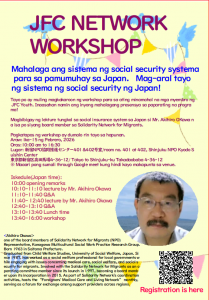
今回は、移住者と連帯するネットワーク共同代表理事の大川昭博さんを招いて「社会保障制度」についての講義をして頂きました。
司会進行とタガログ語通訳もJFCユース2名がそれぞれ務めました。
10:00 はじめの言葉
10:10-11:10 大川さんの講義①
11:10-11:40 Q&A
11:40- 12:40 大川さんの講義②
12:40-13:10 Q&A
13:10-13:40 ランチ
13:40-16:00 ワークショップ
会場参加が16名、オンライン参加が26名、合計42名の参加者でした。
会場参加者は、JFCユースの他、フィリピン人のお母さんたち、日本国籍のあるJFCの配偶者やその家族でした。オンライン参加者の中には、日本の地方に暮らすJFCユースの他、フィリピン在住ですが、今後、来日予定のあるJFCやその保護者5名もいました。
大川さんのお話の第一部は、とても複雑で理解するのが大変な「社会保障制度」について、大川さんからとても分かりやすくご説明頂きました。社会保障制度とは、「人々の安心したくらしの安定をささえるセーフティネットで、日本国籍がある無に関わらず、日本に暮らすすべての人のくらしを生涯にわたってささえる制度」であることの説明から始まりました。
社会保険(医療、年金、介護)についての説明、会社の健康保険と国民健康保険の違い、健康保険に入れる条件、またその例外についてなど、丁寧な説明を受けました。
第一部が終わり、質疑応答の時間となったのですが、たくさんの質疑応答が会場参加者とオンライン参加者たちからあり、30分の予定を大幅に過ぎて1時間くらいが質疑応答の時間となりました。
たくさん出た質問の中から2つだけご紹介します。
Q:社会保険は会社負担と本人負担が半々だとのことだが、その割合が変わることはあるのか。本人負担の方が大きいということはあるか。」
A:特に大企業では会社負担が大きいところもあるが、本人の方が会社負担より大きくなることはなく、もしそういう場合には、労働組合や弁護士に相談したほうがいい。
Q(母子家庭・日本国籍JFC):私はまだ学生だが、国民年金を払ってないと、母の在留資格が更新されないかもしれないという不安があるので、その負担が大きいが、どうしたらいいか。
A:国民年金の免除申請をしたからといってあなたの母の在留資格更新ができなくなることはないから、学生であれば免除申請ができるのでその手続きをした方がいい。
第二部の大川さんのお話は、生活保護など公的扶助についてのお話でした。生活保護は「日本国籍のある者」だけではなく、外国籍の者も受けられること、それは日本政府(厚生労働省)も認めていることの説明がありました。
また、病気やケガで働けなくなったとしても、会社は労働者を解雇することは法律違反であること、仕事ができないときは、給料の代わりに健康保険から傷病手当金が払われるので、その手続きが可能であることも説明受けました。
ランチ後は会場参加者たちは3つのグループに分かれ、オンライン参加者は1つのグループで、3つのテーマについて、ぞれぞれグループディスカッションを行いました。
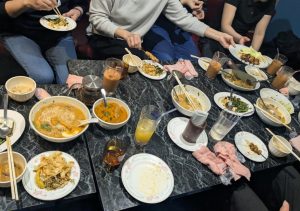
ワークショップ終了後は、ミャンマー料理のお店・ミンガラバーで、とても有意義な時間を過ごしました。
今回は、ユースワークショップとはいえ、お母さん世代も参加したこともあり、年齢層の幅が広く、それがまたより充実した意見交換の場となったと感じています。
外国籍の人達への風当たりが強くなっている今日この頃ですが、JFCユースたちは、そうした現状を打開したいと、いろいろなアイデアを持ち寄って行動してくれていることがとても嬉しいです。あるJFCは「多言語選挙について考える会」を立ち上げ、いろいろな言語でわかりやすい選挙情報を発信するプロジェクトをはじめました。
夕食会の場では、「外国人が増えることで治安が悪くなる」「外国人の医療費未納が多く医療を圧迫している」「外国人の犯罪が増加している」「外国人の生活保護率が高い」などのデマに対して、正しい情報を得ることの重要性、またそうしたデマに対して自分たちができること、すべきことは何か、などの話がでて、みんな真剣に話をしていました。一人ひとりが、小さなことでも自分ができることをはじめたり、かかわることで、大きな力になっていくと思います。
みなさん、これからも応援よろしくお願いします!
Here’s a report on the JFC workshop held on Sunday, February 15th♪
The JFC Youth Workshop is planned and led by JFC youth members. It aims to empower JFCs living in Japan and build community, helping them overcome difficulties and challenges in their daily lives in Japan and gain the strength to live a happy life.
This time, we invited Mr. Akihiro Okawa, Co-Representative Board Member of Solidarity Network for Migrants, to give a lecture on “Social Security Systems”.
Two JFC Youth members facilitated the event and also provided Tagalog interpretation.
10:00 Opening Remarks
10:10-11:10 Mr. Okawa’s Lecture ①
11:10-11:40 Q&A
11:40-12:40 Mr. Okawa’s Lecture ②
12:40-13:10 Q&A
13:10-13:40 Lunch
13:40-16:00 Workshop
There were 16 participants in person and 26 online, totaling 42 attendees.
The in-person attendees included JFC Youth, Filipino mothers, and family members of spouses of JFC who hold Japanese nationality. Among the online participants were JFC Youth living in regional areas of Japan, as well as 5 JFC and their guardians residing in the Philippines who plan to come to Japan in the future.
The first part of Ms. Okawa’s presentation provided a very clear explanation of the highly complex and difficult-to-understand “social security system.” He began by explaining that the social security system is “a safety net supporting the stability of people’s secure lives, a system that supports the lives of all people living in Japan throughout their lives, regardless of whether they have Japanese nationality.”
He provided a detailed explanation covering social insurance (medical, pension, long-term care), the differences between company health insurance and National Health Insurance, eligibility conditions for health insurance, and exceptions to these rules.
After the first part concluded, we moved to the Q&A session. Numerous questions came from both in-person and online participants, significantly extending the session beyond the planned 30 minutes to about an hour.
Here are two examples from the many questions raised:
Q: I understand social insurance costs are shared equally between the company and the employee. Can this ratio change? Could the employee’s share ever become larger?
A: While some large companies may have a higher employer contribution, the employee’s share never exceeds the employer’s. If you encounter such a situation, it’s better to consult a labor union or a lawyer.
Q (Single-mother household, Japanese national JFC): I’m still a student, but I’m worried that if I don’t pay my National Pension, my mother’s residence status might not be renewed. This is a significant burden for us. What should I do?
A: Applying for an exemption from the National Pension will not prevent your mother’s residence status renewal. As a student, you are eligible for an exemption application, so you should proceed with that process.
Mr. Okawa’s presentation in Part 2 focused on public assistance programs like welfare. He explained that welfare is available not only to Japanese nationals but also to foreign nationals, a fact officially confirmed by the Japanese government (Ministry of Health, Labour and Welfare).
He also explained that even if you become unable to work due to illness or injury, it is illegal for a company to dismiss you. When you cannot work, sickness allowance is paid from health insurance instead of wages, and procedures for this are available.
After lunch, participants at the venue divided into three groups, while online participants formed one group. Each group held discussions on three different themes.
Following the workshop, we spent a very meaningful time at a Myanmar restaurant, Mingalabar.
Although this was a youth workshop, the participation of mothers’ generation participants meant a broadly diverse age range. We feel this contributed to an even more enriching exchange of opinions.
While the climate for foreign nationals is becoming increasingly hostile these days, it’s truly encouraging to see JFC Youth members bringing diverse ideas and taking action to overcome this situation. One JFC member launched a “Multilingual Election Discussion Group” and started a project to provide easy-to-undertstand election information in various languages.
During the dinner gathering, discussions centered on: “False claims like ‘Increasing foreigners worsens public safety’ or ‘Foreigners’ high rate of unpaid medical bills strains healthcare’
“Crimes committed by foreigners are increasing,” and “The rate of foreigners receiving welfare is high.” Discussions focused on the importance of obtaining accurate information and what we can and should do to counter such misinformation. Everyone engaged in serious conversation. We believe that when each person starts doing what they can, even small actions, and gets involved, it builds into a powerful strength.
Everyone, thank you for your continued support!