ニュース詳細
 2026.10.29
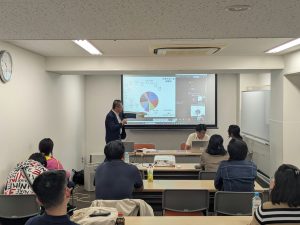
2026年10月26日(日)、JFCユース主催の「労働」ワークショップを開催しました♪
講師は鳥井一平さんでした。ご存じの方も多いことと思いますが、鳥井さんは、移住者と連帯する全国ネットワーク(移住連)の共同代表理事、全統一労働組合特別執行委員、外国人技能実習生権利ネットワーク運営委員、JNATIP(人身売買禁止ネットワーク)共同代表を務められ、2013年には、アメリカ国務省から「人身売買撲滅のヒーロー」に選出された初の日本人でした。
JFCやフィリピン人の父母にとって、「労働」のテーマにはとても関心が高く、このテーマでのワークショップの意義はとても大きかったです。
午前10時から開始し、第1部と第2部の間に昼食をはさみ、午後2時半頃までの予定でしたが、予定の時間を大幅に超過し午後3時半まで鳥井さんにおつきあい頂きました。
第1部では、日本における「外国人」を様々なカテゴリーから数字で見ました。地域によって、カテゴリー別の人数にとても偏りがあることがよくわかりました。話の中で、印象に残ったことは、日本政府は「移民政策」をとってないので、「移民」という言葉は使わず、「外国人」という言葉を使っていること、しかし、日本で暮らしている「移民」や「外国籍」のような人達は、海外で例えば英語では、「foreigners」ではなく、「migrants」であり、「foreigners」は外から来たよそ者という意味があり表現として相応しくないとおっしゃっていたことです。確かに日本語での「外国人」や「外人」という言葉を、日本生まれの海外にルーツのある人たちや、日本へ移住して生きた人たちに対して使うには相応しくないと思いますし、「migrants」や「immigrants」が適切だと感じました。
もう一つ、勉強になったことは、「家事労働」や「興行」が労働者じゃないため、労基法の適用がされない、ということでした。多くのフィリピン人の特に女性たちが「家事労働」や「興行」の在留資格で働いていている人たちを無権利状態に陥いらせないためにも労基法の適用をすべきだと感じました。
昼食はスタッフの一人がお弁当を準備してくれました。2名のフィリピン人のお母さんたちがフィリピン料理を持参して下さり、豪華な昼食となりました。鳥井さんも美味しいと言ってお替りをされていました。
第2部は、労働法についての学習をしました。
鳥井さんは、みなさんに労働基準法をぜひ読んでもらいたいと言っていました。その場では、すべてを説明することはできないので、特に重要なことをお話します、と言って3つのことをお話下さいました。
①労働条件は労働者が人たるに値する生活を営むための必要を満たすべきものでなければならない。この法律で定める労働条件の基準は最低のものであるから、労働関係の当事者はこの基準を理由として労働条件を低下させてはならないことはもとより、その向上を図るように努めなければならない。
→会社の売り上げが減ったから賃金を減らす、ということにはならず、雇用主は会社の経営状況に関わらず労働条件の低下させず向上に努めなければならない、という点を強調されていました。
②労働条件は、労働者と使用者が対等の立場において決定すべきものである。労働者及び使用者は、労働協約、就業規則及び労働契約を遵守し、誠実に各その義務を履行しなければならない。
→雇用主と労働者は対等な立場において労働条件を決定するべき、と書かれていることが重要だと指摘されていました。
③使用者は労働者の国籍、信条又は社会的身分を理由として、賃金、労働時間その他の労働条件について、差別的な扱いをしてはならない。
そして、最後に日本の労働組合についての話をしました。何か困ったことがあったら、我慢せず、泣き寝入りせず、労働組合に相談して欲しいということ、現在、起きているヘイトスピーチの問題や日本政府による外国人政策の厳格化についての説明もして下さいました。
質疑応答ではたくさんの質問がでました。特に雇用形態は分かりづらく、丁寧に説明をして下さいました。雇用形態としては、無期雇用か有期雇用の2つしかないこと。有期雇用の場合、雇用契約満了時に契約更新がされない可能性があること(雇止め)、無期雇用は契約期限がない雇用形態で正社員が多く、会社の都合で労働者を解雇できないが、会社の都合で解雇されたにも関わらず、退職届に「自己都合による退職」と書かれているような事例も多くあることなどの説明がありました。
同一企業で有期契約が 通算5年を超えて働いている場合、無期雇用への転換ができるが、それは労働者自身が会社にいわないとならないこと、また「就業規則」の確認も必要なこと、などの説明がありました。
会場からの質問に、「就業規則」はどこで見れますか?というものあったのですが、就業規則の周知は会社の義務なので、会社内の掲示板とかに貼ってあることもある。もし、会社が見せることを拒んだ場合、労基署に相談すれば、閲覧が可能、とのことでした。
JFCやフィリピン人の母たちが多く働いている「派遣」の仕事ですが、同じ派遣先で派遣社員が働ける期間は原則3年までと決まっていて、その後は派遣先の会社と直接う雇用を結ぶ、派遣元企業の無期契約を結ぶなどの対応をしてもらう必要がある、などの説明がありました。これについても知らない人たちが多かったです。
東京都が出している英語版とタガログ語版の「労働法のポイント」というチラシや、「日本で働く外国人労働者のハンドブック」を紹介して下さいました。日本語とタガログ語・英語が併記されていてとても良い資料です。東京都からたくさん取寄せて、皆さんに配布したいと思います。
日曜日に仕事のあるJFCたちもとても多かったため、鳥井さんの講義を動画として保存し、希望者には観て学んでもらう予定です。様々な知識を身につけ、賢くなることは日本で生きていく力をつけることになります。日本へ移住してきた、あるいはこれから移住してくるJFCたちには、多くの困難に負けないよう、乗り越える力を付けいって欲しいです。一緒にがんばりたいと思います。
ワークショップの終了後、さっそくあるJFCの一人から、感想が送られてきました。
「今回の鳥井さんの講義はとても有意義でした。来日前の僕にとってだけでなく、すべての人達にとって有益な内容でした。本当にありがとうございます!」
今回のワークショップも司会も通訳もJFCユースが務めました。「通訳泣かせの鳥井」として有名とご本人も言っていましたが、通訳は本当に大変だったと思いますが、とてもよく頑張ってました。
JFCユースたちがたくましくなっていく姿も嬉しい限りです。
これからも応援よろしくお願いします!
This is a report on the workshop on “Labor” organized by JFC Youth, which was held on Sunday, October 26, 2026.
The speaker was Mr. Ippei Torii. As many of you may know, Mr. Torii is the Co-Representative of Solidarity Network with Migrants (Iju-ren), a Special Executive Committee Member of the All-Japan Unified Labor Union, a Operating Committee Member of the Foreign Technical Intern Trainees’ Human Rights Network, and Co-Representative of JNATIP (Network Against Trafficking in Persons). In 2013, he became the first Japanese national to be named a “Hero in the Fight Against Human Trafficking” by the U.S. Department of State.
For JFC and Filipino parents, the topic of “labor” is of great interest, so this workshop was extremely meaningful.
The event began at 10:00 a.m., with lunch between Part 1 and Part 2, and was scheduled to end around 2:30 p.m. However, it ran much longer than planned, and Mr. Torii kindly stayed with us until 3:30 p.m.
In Part 1, we examined statistics on “foreigners” in Japan across various categories. It became clear that there are significant regional differences in the number of people in each category. One point that left a strong impression was that, since the Japanese government does not have an “immigration policy,” it avoids using the term “immigrant” and instead uses “foreigners.” However, he noted that people living in Japan who are “immigrants” or “foreign nationals” are referred to overseas—for example, in English—not as “foreigners” but as “migrants,” because “foreigners” implies outsiders who have come from abroad, making it an inappropriate term. I certainly agree that the Japanese terms “gaikokujin” (foreigners) or “gaijin” (outsiders) are inappropriate when referring to people born in Japan with foreign roots or those who have immigrated to Japan and made it their home; “migrants” or “immigrants” feel more appropriate.
Another thing we learned was that “domestic work” and “entertainment” are not considered “labor,” so the Labor Standards Act does not cover them. I felt that the Labor Standards Act should be applied to these sectors to prevent many Filipinos—especially women—working under “domestic work” or “entertainment” residency statuses from falling into a state of legal rightslessness.
For lunch, one of the staff members prepared boxed meals. Two Filipino mothers brought Filipino dishes, making for a luxurious lunch. Mr. Torii also said it was delicious and went back for seconds.
In Part 2, we studied labor law.
Mr. Torii said he really wanted everyone to read the Labor Standards Act. Since he couldn’t explain everything on the spot, he said, “I’ll focus on the most important points,” and shared three key points with us.
① Working conditions shall be those which should meet the needs of workers who lives worthy of human beings. The standards for working conditions fixed by this Law are minimum standards. Accordingly, parties to labor relations shall not reduce working conditions with these standards as an excused and, instead, should endeavor to raise the working conditions
→ He emphasized that a decline in company sales does not justify reducing wages; employers must make efforts to improve working conditions, regardless of the company’s financial situation, and must not lower them.
2.Working conditions should be determined by the workers and employers on an equal basis. The workers and employers shall abide by collective agreements, rules of employment and labor contracts, and shall discharge their respective duties faithfully
→It was pointed out that it is important that the law states workers and employers should determine working conditions on an equal position.
3.An employer shall not engage in discriminatory treatment with respect to wages, working hours or other working conditions by reason of the nationality, creed or social statusof any worker.
Lastly, he spoke about labor unions in Japan. He urged us not to suffer in silence or simply accept unfair treatment if we encounter any problems, but to consult with a labor union instead. He also explained the current issues surrounding hate speech and the Japanese government’s increasingly strict policies toward foreign nationals.
Many questions were raised during the Q&A session. In particular, the employment types were confusing, but he explained them clearly to us. Regarding employment statuses, there are only two types: permanent employment and fixed-term employment. In the case of fixed-term employment, there is a possibility that the contract will not be renewed upon expiration (termination upon contract expiration). Permanent employment, on the other hand, is a form of employment with no fixed term; it is common among regular employees, and employers cannot dismiss workers for the company’s reasons. However, there are many cases where, even though an employee was dismissed for the company’s reasons, their resignation form states “resignation for personal reasons.”
He explained that if an employee has worked under fixed-term contracts at the same company for a total of more than five years, they are eligible for transfer to permanent employment; however, the employee must initiate this request with the company, and it is also necessary to verify the “Work Rules.”
In response to a question from the audience asking, “Where can I see the ‘Work Rules’?” he explained that since it is the company’s obligation to make the Work Rules known to employees, they are sometimes posted on bulletin boards within the company.
If the company refuses to show them, the worker can consult the Labor Standards Inspection Office to gain access to the rules.
Regarding dispatch work(“Haken”)—where many JFCs and Filipino mothers are employed—it was explained that, in principle, a dispatch worker can work at the same client company for up to three years. After that, the client company must take steps such as offering a direct employment contract or having the dispatch agency provide a permanent contract. Many people were unaware of this as well.
He introduced the English and Tagalog versions of the leaflet “Key Points of Labor Law” published by the Tokyo Metropolitan Government, as well as the “Handbook for Foreign Workers in Japan.” These are excellent resources, as they are written in Japanese, Tagalog, and English. We plan to order a large number of copies from the Tokyo Metropolitan Government and distribute them to everyone.
Since many JFCs had to work on Sunday, we recorded Mr. Torii’s lecture on video so that those who wish to can watch it and learn from it.
Gaining various kinds of knowledge and becoming more informed helps build the strength needed to make a life in Japan. We want JFCs who have moved to Japan—or who are planning to move here—to develop the strength to overcome the many challenges they’ll face, rather than letting them get the better of them. We’re committed to working hard alongside them.
Right after the workshop ended, we received feedback from one of the JFCs.
“Mr. Torii’s lecture this time was very meaningful. The content was beneficial not only for me before I came to Japan, but for everyone. Thank you so much!”
Once again, JFC Youth members served as both facilitators and interpreters for this workshop. Mr. Tori himself joked that he’s famous for being a challenging speaker for interpreters, and while we know interpreting must have been extremely tough, they did a fantastic job.
It’s truly heartwarming to see the JFC Youth growing stronger and more empowered.
We look forward to your continued support!