
ニュース詳細
 2026.07.09
2026年7月5日(日)、JFCネットワークは「日本国籍を学ぼう」ワークショップを開催しました♪
2026年7月5日(日)、JFCネットワークは「日本国籍を学ぼう」ワークショップを開催しました! ※English is below.
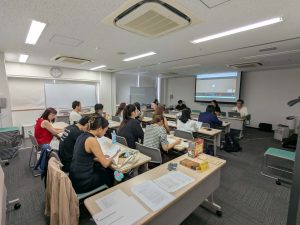
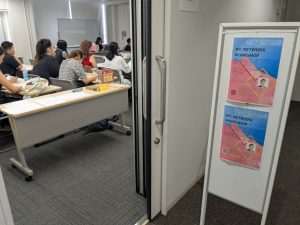
このワークショップはJapanese-Filipino Youthが中心となって企画し、日本に暮らすJFCたちやこれから移住しようとしているJFCが日本で暮らしていく上での困難や問題を解消し、幸せに生きていく力を身につけてもらうエンパワーメントとコミュニティ作りを目指しています。申込者は合計92名、うち会場参加が18名、オンライン参加が74名でした。参加者はJFCユースだけでなく、JFCの父親や母親の参加者もありました。
当日の司会も通訳も、ワークショップの進行もJFCユースが担いました。今回はかなり専門的な内容でしたが、前日までにしっかり復習して立派にこなしていました。日本語、英語、タガログ語を話すトリリンガルのJFCユースが増えていて、素晴らしいな~と感じています。
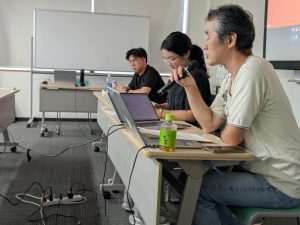
今回の講師は弁護士の近藤博徳先生でした。近藤先生は2008年の国籍確認訴訟で違憲判決を得た弁護士です。2005年4月12日、原告となる9人のJFC(Japanese-Filipino children)が日本国籍の確認を求める訴えを東京地裁に集団で提訴しました。9人のJFCはいずれも結婚をしていないフィリピン人の母親と日本人の父親から生まれた子どもたちで、父親から出生後に認知を受けていました。9人の子どもたちが起した「国籍確認訴訟」とは「両親が結婚している・いないに関わらず、日本人の父親から認知された子どもたちには等しく日本国籍を与えて欲しい」という願いから、「両親の結婚を条件としている国籍法3条は法の下の平等を定めた憲法14条1項に違反する」と訴えた裁判でした。憲法14条1項には、「すべての国民は、法の下に平等であって、人種、信条、性別、社会的身分または門地により、政治的、経済的または社会的関係において差別されない。」と書かれています。この違憲判決は、史上8件目の違憲判決で、外国籍の子どもたちが原告となって違憲判決を得たのは初めてでした。
近藤弁護士は大きく5つの項目について講義されました。
日本の国籍法は複数国籍を禁止しているか、②日本国籍の取得、③日本国籍の喪失、④国籍の選択、⑤日本では複数国籍は認められてない?、についてでした。
参加者にとって重要となる項目は、①二重国籍者が、日本国籍を選択した場合、フィリピン国籍はなくなるのか、②二重国籍者が成人になって2年以内に日本国籍を選択しなかった場合、日本国籍は無くなるのか、③日本に帰化した場合、フィリピン国籍は無くなるのか、④日本国籍しか持ってないJFCが成人になってからフィリピンへ出生登録をした場合、日本国籍を失うのか、だと思います。これらの問題点がクリアになり、参加者たちはとても勉強になったと思います。質疑応答の時間を1時間設けていたのですが、たくさんの質問が出たため、2時間も質疑応答の時間となりました・・・!
当日、なんと会場のエアコンが壊れ・・・部屋の中はどんどん暑くなり、会場のスタッフが扇風機を貸してくれたり、廊下の空気を部屋の中に入れようとして下さったのですが、みなさん、汗をかきながらの参加でした・・・。
昼食は、フィリピン人のお母さんたちが作って来てくれた料理とスタッフが準備しました。部屋の中では暑くてたまらないので、会場のスタッフがランチのスペースを貸してくださいました。
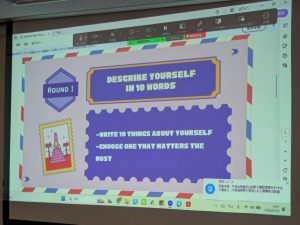
昼食後はJFCユースによるワークショップを実施しました。①あなたについて10点書いてください。そのうち1つを選んで理由を説明して下さい。②あなたが経験した困難とそれをどう解決したのか、を説明して下さい、③あなたの描く国籍法を書いてください、でした。
そして最後に、事実上、日本でも複数国籍は認められていますが、制度上、複数国籍を認める国とするには、どうしたらいいのか、を考えようということになりました。様々な意見が出ましたが、国籍法3条をめぐる違憲判決を得たように、この制度を変えるためには裁判をすることはできないだろうかという意見が出ていました。そして、複数国籍で生まれ育った人たちの人権とアイデンティティを守るため国籍選択に義務の見直し(国籍法第14条第1項)を求める署名活動をしている団体もあることを紹介しました。参加者はみなこれまでもやもやしていた気持ちが今回の講義によってすきり晴れたのではないかと思います。
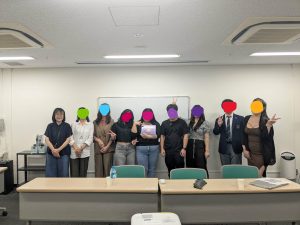
近藤先生を入れての集合写真を撮り忘れてしまいました・・・。みなさん残念がってました。会場参加が18名いたにも関わらず、集合写真を撮り忘れていたことに気づき、最後の最後になって撮ったため少ない人数になってしまいました💦
それにしても、このテーマは関心がとても高く、かつ複雑、しかも重要なので、定期的に開催する予定です。
On Sunday, July 5, 2026, the JFC Network held a “Let’s Learn About Japanese Nationality” workshop!
This workshop was planned and led by Japanese-Filipino Youth and aimed to empower JFCs living in Japan—as well as those planning to move here—and build a community where they can overcome the challenges and difficulties of daily life in Japan and gain the strength to live happily. A total of 92 people registered, with 18 attending in person and 74 participating online. Participants included not only JFC Youth but also JFC’s fathers and mothers.
JFC youth handled everything on the day of the event—from facilitating and interpreting to leading the workshop. Although the content was quite specialized this time, they reviewed thoroughly in advance and performed admirably. It’s wonderful to see an increasing number of trilingual JFC youth who speak Japanese, English, and Tagalog.
The lecturer for this event was Atty. Hironori Kondo. Atty. Kondo is the attorney who achieved the unconstitutional ruling in the 2008 nationality confirmation lawsuit.
On April 12, 2005, nine JFCs (Japanese-Filipino children) filed a group lawsuit with the Tokyo District Court seeking confirmation of their Japanese nationality. All nine JFCs were born to unmarried Filipino mothers and Japanese fathers, and had been recognized by their fathers after birth. The “Nationality Confirmation Lawsuit” filed by these nine children stemmed from their wish that “children recognized by a Japanese father be granted Japanese nationality equally, regardless of whether their parents are married or not.” In the lawsuit, they argued that “Article 3 of the Nationality Act, which makes parental marriage a condition for nationality, violates Article 14, Paragraph 1 of the Constitution, which guarantees equality under the law.”
Article 14, Paragraph 1 of the Constitution states: “All citizens are equal under the law and shall not be discriminated against in political, economic, or social relations on the grounds of race, creed, sex, social status, or family origin.” This ruling was the eighth such ruling in history, and it marked the first time that children of foreign nationality, acting as plaintiffs, had successfully obtained a ruling declaring a law unconstitutional.
Atty. Kondo lectured on five main topics.
These were: ① Does Japan’s Nationality Law prohibit multiple nationalities? ② Acquisition of Japanese nationality; ③ Loss of Japanese nationality; ④ Choice of nationality; and ⑤ Is multiple nationality not allowed in Japan?
The most important points for participants were likely: ① Whether a person with dual nationality loses their Philippine nationality if they choose Japanese nationality; ② Whether a person with dual nationality loses their Japanese nationality if they do not choose it within two years of reaching legal age; ③ Whether Philippine nationality is lost upon naturalization in Japan; and ④ Whether a JFC who holds only Japanese nationality loses that nationality if they register their birth in the Philippines after reaching legal age. These issues were clarified, and we believe the participants found the session very valuable.
We had set aside one hour for the Q&A session, but because so many questions came up, it ended up lasting two hours…!
On the day of the event, the venue’s air conditioner broke down… The room got hotter and hotter, and although the venue staff lent us fans and tried to bring in fresh air from the hallway, everyone participated while sweating terribly.
Lunch consisted of dishes prepared by Filipino mothers and arranged by the staff. Since it was unbearably hot inside the room, the venue staff kindly let us use a space outside for lunch.
After lunch, the JFC Youth held a workshop. The prompts were: (1) Write down 10 things about yourself. Choose one of them and explain why; (2) Describe a difficulty you’ve faced and how you resolved it; and (3) Write about the nationality law you envision.
Finally, we discussed how Japan—which effectively recognizes multiple nationalities—could formally become a country that legally recognizes multiple nationalities. Various opinions were shared, including the suggestion that—just as we obtained a ruling declaring Article 3 of the Nationality Law unconstitutional—we might be able to bring a lawsuit to change this system. We also introduced an organization that is conducting a petition campaign calling for a review of the obligation to choose a nationality (Article 14, Paragraph 1 of the Nationality Law) in order to protect the human rights and identities of people born and raised with multiple nationalities. The participants likely felt that the confusion they’d been carrying was finally cleared up by this lecture.
We completely forgot to take a group photo with Atty. Kondo… Everyone was disappointed. Even though there were 18 people attending in person, we didn’t realize we’d forgotten to take the group photo until the very last minute, so by the time we finally took it, only a few people were left. 💦
Anyway, since this topic is of such high interest, complex, and important, we plan to hold these sessions regularly.

(写メ)-215x300.png)