ニュース詳細
 2026.06.05
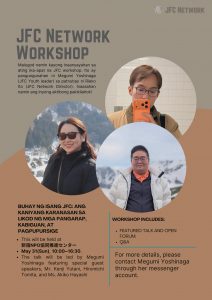
2026年5月31日(日)、ワークショップを実施しました♪
5月31日(日)に実施したワークショップのご報告です♪ とにかく素晴らしかったです。(※English is below.)
このワークショップはJFCユースの企画で、アンケート結果から「日本に長く暮らすJFCたちからの体験談を聞きたい」という希望が多かったため、定期的に「JFCの話を聞く」企画をしています。今回はその2回目でした。
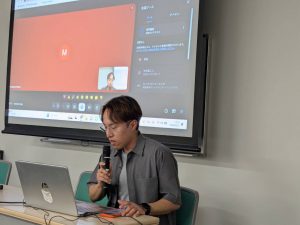
今回は3人のJFCユースにそれぞれ30分くらいのスピーチをしてもらいました。それぞれのスピーチの後、質疑応答の時間をそれぞれ設けました。
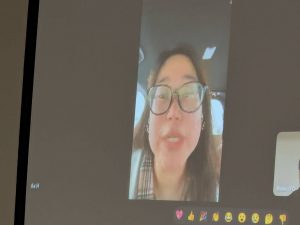
参加申込者(実際に参加した人数は把握できず)は40名で、会場参加15名、オンライン参加が25名でした。
3人の来日年数はそれぞれ、7年、10年、13年です。最初のスピ―カーの弘通さんはRGS-COW、2人目の明子さんはマリガヤハウス、3人目のケンジさんは日本のケースでした。
参加者の内訳としては、①現在フィリピンに暮らしていてケース進行中の人、②ケースは終了しているが来日予定の人、③日本の地方に暮らしていて会場に来ることができない人、特にまだ来て間もない人たちが多く参加してくれていました。
3人の話はどれもとても素晴らしく心を打つ内容でした。3人の話の内容としては、①自己紹介、②フィリピンでの生活、③JFCとしての経験、④来日を決心した理由、⑤日本での生活(良い点悪い点)、⑥日本にいるJFC、これから来ようとしていJFCへのメッセージ、を話して頂きました。全部を紹介することはできませんので、その一部を紹介します。
弘通さんは高校を中退して未成年の時に来日しています。工場労働者として数年働き仕事も1度転職しています。車の免許も取得し、日本語学校に通うことなく、毎日少しずつ日本語を勉強してきたことで、最近、日本語検定2級に合格したそうです。今は、高卒認定試験に挑戦しようとしていて、将来は専門学校や大学にも通いたいと夢を語ってくれました。
「日本に来たばかりの方には、たとえ1日30分だけでも、空き時間に日本語を勉強することを強くお勧めします。それは私たちにとって有益であり、特に相手が何を話しているのか理解できるようになるのですからなおさらです。そうなってくると、本当に自分自身に解放感をもたらし、あなたの自信を高めてくれることに気づくでしょう。日本語を学ぶことは、間違いなく、長い目で見ればあなたの助けになるのです。日本に行きたい、あるいは行く予定のある人は、まず自問してみてください。特にまだ日本語を十分に話せない状態で、異国での生活に伴う苦労や困難に立ち向かう準備はできていますか?」
「JFCとして日本で生活する中で私が学んだことの一つは、たゆまぬ忍耐力を持つこと、的確な判断を下すこと、そしてコミュニケーションの方法を学ぶことです。私が言えるのは、自分であることを恥じる必要はないということです。そのような背景があるからといって、それがあなたという人間を定義するわけではありません。謙虚であり、敬意を示し、日本での生き方を学び、人生を楽しんでください。なぜなら、私たちがこの世でどれだけの時間を過ごせるかは誰にも分からないからです。」
明子さんは、成人してすぐに来日しました。父親不在で育ち、母からも虐待を受けて育ってきた明子さんは勉強することが唯一の自分の居場所となっていたそうです。父に会うことを夢見て来日しましたが、結局数々の言い訳の結果、父に会うことなく父は逝きました。
「自分は何者なのだろう。フィリピン人?日本人?」と多くのJFCたちが悩んでいるのと同様に、明子さんにもそういう時期がありましたが、どちらかを選択することに疲れてしまった彼女は「JFCとしての自分」を受け入れることにしたそうです。
「日本に来たからといって、すぐに金持ちになれるわけではありません。ここに来れば、家族が完璧になるわけでもありません。父に会えば、長年抱えてきた痛みが簡単に消えるという保証もないのです。ましてや、アイデンティティの危機が一夜にして解消されるわけでもありません。長年夢見ていた国にたどり着いたとしても、癒えない傷もあるのです。結局のところ、決断を下すのは私たち自身です。私たちの人生の方向性を決めるのは、やはり私たち自身なのです。私たちの幸せやアイデンティティ、未来を他人に委ねてはなりません。たとえそれが自分の両親であってもです。なぜなら、現実として、私たちは社会や過去、他人、そして彼らが下した決断をコントロールすることはできないからです。私たちがコントロールできるのは、自分の行動と視点、そしてどのように立ち直るかということだけです。望んでいたような家族はいないかもしれないけれど、今、自分たちのためにより良い人生を築くチャンスはある。他者から切望していた愛を受け取れなかったとしても、自分自身に愛を与えることを学べるのです。JFCであることは容易ではありません。そこには多くの悲しみや疑問、そしてアイデンティティの探求が伴います。しかし、だからといって私たちが人間として劣っているわけではありません。」
ケンジさんは国籍喪失のケースです。「お父さんを探して欲しい」。父親不在で育ったケンジさんですが、周りの人達から愛情深く育てられたため「父親不在」が特に気になることはなかったそうです。しかし、ある時、急に「自分は父を知らない」と言うことに気づき、いてもたってもいられなくなり、「自分の心の欠けたピースを埋め合わせたいと」、20歳の時に来日してJFCネットワークの事務所へ相談に訪れました。すでに国籍再取得は不可能になっていました。
ケンジさんは幸い、父と会うことができて今でも定期的に交流をしています。質疑応答の時間に、話の中で、ケンジさんが参加者たちにこのようなことを言っていたのが印象的でした。
「日本人の父に会いたい。これは父に遺棄されて育ってきた私達JFCの共通の願いだと思います。僕は父に会うことが出来ました。とても幸せでした。でも、僕のこの話をJFCとしてのサクセスストーリーだと思わないで欲しいです。あなたの人生がサクセスストーリになるかは、あなたが父に会えるかどうか、とは別に、あなた自身が築いていくものだからです。」
質問もたくさん出ていました。現在ケース進行中で父に対して認知請求をしていて心に不安を抱えているユースたち。日本に来たばかりで、まさに「ホームシック」の状況にあるユースたち。そんなユースたちに3人はとても暖かく力強いメッセージやアドバイスをしていました。
アンケートをとったところ、3人のスピーチの感想もたくさん頂きました。いくつか紹介します。
「弘通さんの話に刺激を受け、JLPTの試験勉強に励む決意が固まりました。JFCたちが人生で直面する共通の困難や、日本の文化、言語、職場環境に適応する上での課題に焦点を当ててくれたからです。日本語能力試験のN5からN1までのレベルについて説明し、日本へ移住する前に日本語を学ぶことの重要性を強調してくれた点に、本当に感謝しています。さらに、日本語を習得するための実践的なヒントや、挫折した時の励ましのアドバイスも素晴らしかったです。」
「明子さんのスピーチは、幼い頃にどのような困難を乗り越えてきたかを語ってくれたため、私の心に深く響きました。特に、私が彼女にこう尋ねたとき、胸を打たれました。「父親に見捨てられた経験を持つJFCの仲間たちに、何かアドバイスを頂けますか?」と尋ねた時、心を動かされました。彼女は驚くほどの落ち着きと成熟さをもって答え、思慮深く励みになるアドバイスをくださいました。彼女の言葉は、父から受けた痛みやトラウマにもかかわらず、より良い人間になろうという勇気を私達に与えてくれました。」
「ケンジさんのスピーチは、ユニークな人生経験を共有してくださったおかげで、とても新鮮な気持ちにさせてくれました。彼の明るく人を惹きつける人柄が際立っており、特にプレゼンテーション終了後も冗談を交えて話してくださった点が気に入りました。困難な状況に勇気と粘り強さで立ち向かう姿勢には感服しました。また、日本で適応し、成功するための貴重な洞察も提供してくださいました。さらに、父を許すよう促してくださったことにも深く感謝しています。今のところ父の行動を許すことはできませんが、ケンジさんの言葉は、私も父をいつか許せる日が来るかもしれないという希望を与えてくれました。」
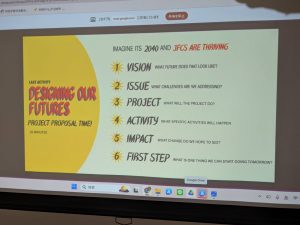
3人のスピーチの終了後、ユースが企画したワークショップを実施しました。これがまた素晴らしかったのですが長くなってしまうので、別の機会に報告をしたいと思います。
10時から16時30分まで、とても充実した時間でした。改めて、こうしたJFCたちのコミュニティ形成の大切さを感じています。
夕食はみなでミャンマー料理屋さんに行き、最後はカラオケで盛り上がっていました。
これからも応援宜しくお願い致します!
We’d like to share you about our workshop held on Sunday, May 31st♪ It was absolutely wonderful.
This workshop was organized by JFC Youth. Based on survey results showing a strong desire to “hear personal stories from JFCs who have lived in Japan for a long time,” we have been holding regular “Listen to JFC Stories” events. This was the second session.
This time, we invited three JFC Youth members to each give a speech of about 30 minutes. After each speech, we set aside time for a Q&A session.
There were 40 registered participants (though we couldn’t confirm the exact number of attendees), with 15 attending in person and 25 participating online.
The three speakers have been living in Japan for 7, 10, and 13 years, respectively.
The first speaker, Hiromichi, is from RGS-COW; the second, Akiko, is from Maligaya House; and the third, Kenji, is a case in Japan.
The participants included: ① those currently living in the Philippines with ongoing cases; ② those whose cases have been settled but who plan to come to Japan; and ③ those living in rural areas of Japan who could not attend in person. In particular, many participants were people who had only recently arrived in Japan.
All three speakers gave wonderful and deeply moving presentations. Their talks covered: ① self-introductions, ② life in the Philippines, ③ their experiences as JFCs, ④ their reasons for deciding to come to Japan, ⑤ life in Japan (both the good and the bad), and ⑥ messages for current JFCs in Japan and those planning to come. Since we cannot cover everything, here are some points from their talks.
Hiromichi came to Japan as a minor after quitting high school. He worked as a factory worker for several years and changed jobs once. He obtained his driver’s license and, without attending a Japanese language school, studied Japanese little by little every day, which recently led him to pass the Japanese Language Proficiency Test Level 2. He told us about his dream of taking the High School Equivalency Exam and eventually attending a vocational school or university.
“I strongly recommend that those who have just arrived in Japan study Japanese during their free time, even if it’s just 30 minutes a day. It’s beneficial for us, and especially so because it allows us to understand what others are saying. Once that happens, you’ll realize it truly brings a sense of liberation and boosts your confidence. Learning Japanese will undoubtedly help you in the long run. If you want to go to Japan or are planning to go, ask yourself this first: Are you prepared to face the hardships and challenges of living in a foreign country, especially if you can’t speak Japanese well enough yet?”
“One of the things I’ve learned while living in Japan as a JFC is to have unwavering patience, make sound judgments, and learn how to communicate effectively. What I can say is that you don’t need to be ashamed of who you are. Just because you have that background doesn’t mean it defines you as a person. Be humble, show respect, learn how to live in Japan, and enjoy life. Because no one knows how much time we have in this world.” ”
Akiko came to Japan soon after turning legal age. Raised without a father and having suffered abuse from her mother, studying became her only place of security. She came to Japan dreaming of meeting her father, but in the end, due to a series of excuses, he passed away without her ever seeing him.
“Who am I? Filipino? Japanese?” Just like many JFCs who struggle with these questions, Akiko went through a period of uncertainty. But, tired of trying to choose one or the other, she decided to accept “herself as a JFC.”
“Just because you come to Japan doesn’t mean you’ll become rich right away. Coming here doesn’t mean your family will suddenly be perfect. There’s no guarantee that seeing your father will easily erase the pain you’ve carried for so many years. And certainly, an identity crisis won’t be resolved overnight. Even if you reach the country you’ve dreamed of for years, some wounds remain unhealed. The truth is, we are the ones who must make these decisions. Ultimately, we are the ones who determine the direction of our lives. We must not entrust our happiness, our identity, or our future to others—not even our own parents. Because, in reality, we cannot control society, the past, other people, or the decisions they have made. The only things we can control are our own actions, our perspective, and how we choose to recover. We may not have the family we hoped for, but we do have the chance right now to build a better life for ourselves. Even if we didn’t receive the love we longed for from others, we can learn to give love to ourselves. Being a JFC is not easy. It involves a great deal of sadness, doubt, and a search for identity. But that doesn’t mean we are lacking as human beings.”
Kenji is a case of lost nationality. “I want you to find my father.” Although Kenji grew up without a father, he was raised with great love by those around him, so the “absence of a father” didn’t particularly bother him. However, one day, he suddenly realized that “I don’t know my father,” and he couldn’t stand it anymore. Wanting to “fill the missing piece in my heart,” he came to Japan at the age of 20 and visited the JFC Network office for consultation.
By then, it was already impossible for him to reacquire his nationality.
Fortunately, Kenji was able to meet his father and they still keep in touch regularly. During the Q&A session, Kenji shared something with the participants that left a strong impression on everyone.
“I want to meet my Japanese father. I think this is a common wish among us JFCs who were raised after being abandoned by our fathers. I was able to meet my father. I was very happy. But I don’t want you to think of my story as a JFC success story. Whether your life becomes a success story depends not on whether you can meet your father, but on what you build for yourself.”
There were also many questions. Some youth are currently in the process of filing a paternity claim and are feeling anxious. Others have just arrived in Japan and are experiencing homesickness. The three speakers offered these young people very warm and encouraging messages and advice.
We conducted a survey and received many comments on the three speakers’ talks. Here are a few examples.
“I was inspired by Hiromichi’s talk, and it strengthened my resolve to study hard for the JLPT.
This is because he focused on the common difficulties JFCs face in life, as well as the challenges of adapting to Japanese culture, language, and the workplace environment. I am truly grateful that he explained the levels of the Japanese Language Proficiency Test (JLPT) from N5 to N1 and emphasized the importance of learning Japanese before moving to Japan. Furthermore, his practical advice for mastering Japanese and his words of encouragement for when I feel discouraged were wonderful.”
“Akiko’s speech deeply resonated with me because she shared the hardships she overcame during her childhood. I was particularly moved when I asked her, ‘Do you have any advice for fellow JFCs who have experienced being abandoned by their fathers?’ She answered with remarkable composure and maturity, offering thoughtful and encouraging advice.
Her words gave me the courage to strive to be a better person, despite the pain and trauma I suffered at my father’s neglect.」
「Kenji’s speech made me feel very refreshed, thanks to his sharing of his unique life experiences. His bright and engaging personality really stood out, and I especially liked how he continued to speak with a touch of humor even after his presentation ended. I was deeply impressed by his attitude of facing difficult situations with courage and perseverance. He also provided valuable insights on how to adapt and succeed in Japan. Furthermore, I am deeply grateful that he encouraged me to forgive my father. While I cannot forgive my father’s behavior at this moment, Kenji’s words have given me hope that a day may come when I can forgive him.”
After the three speeches, we held a workshop organized by the youth. It was wonderful, but since this would make the post too long, we’ll share about it another time.
From 10:00 AM to 4:30 PM, it was a very fulfilling time. Once again, I feel the importance of building a community among these JFCs.
For dinner, we all went to a Myanmar restaurant, and we ended the night having a great time at karaoke.
We look forward to your continued support!
-300x225.jpg)