ニュース詳細
 2026.08.18
スタディツアー2026の報告です♪
時間がちょっと経ってしまいましたが、スタディツアのご報告です。(※English is below)
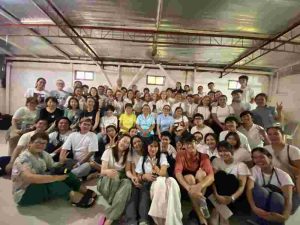
7月30日(木)~8月4日(火)まで、JFCネットワークはスタディツアを開催しました。19名が参加しました(直前で2名がキャンセルとなり残念でした)。13歳~78歳までと幅広い年齢層の方が参加して下さいました。親子で参加して下さったのは3組で、中学生1名、高校生3名の参加がありました。
7月30日の初日はマリガヤハウスを訪問しました。JFC1名、JFCの母1名、JFCの父1名のスピーチがありました。いずれもとても心を打つ内容で、参加者からは「初日から撃たれました。涙腺が…」との声もありました。特に、スラム街で育った経験のあるJFCのスピーチは、彼が直面してきた過酷な人生をいかに乗り越えて来たのかを物語っていて心に強く残っています。
3人のJFCを育てる母のスピーチは、日本人の父と一緒に家族仲良く暮らしていたのに、新型コロナ感染拡大のために日本人父は仕事の関係で日本に戻る必要があり、その後フィリピンに戻ってくることが出来なくなり、うつ病を患い亡くなってしまい、すでに死後3年が経過したため死後認知請求ができないという内容でした。最近、JFCネットワークには父が亡くなってから3年が経過した相談が増えています。実際に母親たちや子どもたちからの話を聞くと、「死後3年」を提訴期限とする不合理さがよくわかります。こうしたケースについてもあきらめずに裁判でたたかっていく予定です。
2人のJFCを育てる父のスピーチは日本国籍を持つ母がJFCで、その女性との間に子どもがいて日本国籍を喪失しているケースでした。昨今の日本政府の査証申請の厳格化の影響で、国籍法17条の国籍再取得を希望しているケースですが、査証申請が不許可となった事案でした。シングルファザーのケースは珍しいですが、JFCを育てる父としての声もまた心に響く内容でした。
2日目の7月31日は、Child Hopeさんを訪問し、ストリートチルドレンをファッションとアートを通じた支援活動をしているDear Meさんからの話を伺い子どもたちとの交流、ストリートの家族を訪ねました。子どもたちの教育と保護プログラムが印象的でした。それは、社会に適応される人として育てるために、子どもたちには学校では学ぶことのできない自己防衛の方法や健康、子どもたちの権利、そして技術を身につけさせるという内容でした。
3日目の8月1日はダバオのRGS-COWでのオリエンテーション、JFC2名のスピーチ、太田あきのさんのドキュメンタリーフィルム「あなたが私のパパですか?」の視聴、シェアリング&ワークショップを実施しました。
JFC2名のスピーチは心を打つ内容で、やはり子どもたちからの声は強烈に心に刺さります。子どもたちを遺棄した父親たちにもそれぞれ言い訳や事情はあるにせよ、ここまで子どもたちの心や人生を困難なものにしていると分かって欲しいですね。父親たちにぜひ聞かせたい声でした。
「 父親のいない環境で育つということは、説明のつかない空虚感を一生かけて埋めようとし続けることを意味します。どんな成功も、物質的なものも、いくら取り繕っても、その空虚感を完全に消し去ることはできないのです。その不在は、私がこれまでに経験した中で最も深い痛みの一つとなりました。」
太田あきのさんのフィルムはアメラジアンとして育ったあきのさんが自分の父親を探す物語をドキュメンタリフィルムとして撮ったものでした。その内容はJFCたちの境遇や思いと重なる部分が多く、あきのさんの想いや困難は多くのJFCやお母さんたちが共感を得たはずです。
ワークショップは日本からの参加者とJFC、日本からの参加者とフィリピン人のお母さんたちがそれぞれ混ざってグループを作りました。テーマは①過去の自分が大切にしていたもの/こと、②今の自分が大切にしていたもの/こと、③将来の自分が大切にしたいもの/こと、についてのシェアリングをしました。あいにく、ワークショップの時間が大幅に長引き、最後の全体でのシェアリングの時間がなくなってしまい、各グループでの内容を聞くことができませんでした。私(伊藤)のグループはJFCユースと日本からの参加者(高校生2名)でしたが、みな将来が長いため、それぞれの夢を語ってくれていました。
JFCたちやフィリピン人のお母さんたちからの日本語の歌の披露もあり(JFCは「オレンジ」、母たちは「piece of my wish」)、歌詞がみんなの気持ちを表していて心にしみました。
その後、各ホームステイ先とのマッチングを行い、それぞれホームステイ先へと向かいました。
4日目の8月2日は、1日ホームステイ先で過ごしました。とても歓待を受けていろいろな場所に連れて行ってもらったりした方、普段の生活を一緒に過ごされた方、夜遅くまで飲み明かして語り明かした方、それぞれがそれぞれの家庭で良い経験をされたようです。皆さん、とても良い顔をして戻ってきました。
5日目の8月3日はマニラへ戻り、最後の夕食はスペイン料理を満喫しました。一人ひとり感想を言って頂きましたが、みなさんとても熱く語って下さり、そしてそれぞれの皆さんの仕事や活動や置かれている立場などからの視点を垣間見ることができて感慨深いものがありました。
最後に初めて参加して下さった方のアンケートの一部をご紹介させて頂きます。
「日本の外国人政策には、外国人を都合よく管理し、雇用の調整弁として利用してきた側面があります。しかし、人間は単なる労働力ではなく、恋愛し、家族をつくり、世代を超えて人生を紡いでいく存在です。制度が前提とする「人間像」と、現実の人々の「生」のあいだにあるミスマッチが、人々の人生にどれほど大きな影響を与えているのかを、今回の旅で深く実感しました。 帰国後、娘が「共に旅をした皆さんのように、社会や人の役に立つ仕事をしたい」と話すようになったことも嬉しい副産物でした。」
JFCネットワークのスタディツアは子どもさんが中学生から親子で参加できます。高校生になったら一人で参加が可能です。中学生だけ、高校生だけを対象にしたスタディツアーは多くありますが、10代~70代まで幅広い年齢層で参加できるスタディツアはあまり無いように感じています。ツアーの参加者たちは、様々な仕事や活動をされている方が多く、そうした参加者同士の交流もまた中・高生たちには大きな刺激になったようです。
そしてJFCの一人として今回も通訳兼添乗を担ってくれた太田貴さんに心から感謝します。
来年のツアーは7月27日(木)~8月1日(火)を予定しています。来年参加をご検討されている方がおりましたら、ぜひ今からスケジュールに入れて頂けましたら幸いです。
It’s taken a little time, but here is a report on our study tour.
From Thursday, July 30, to Tuesday, August 4, the JFC Network held a study tour. We had 19 participants (unfortunately, two people canceled at the last moment) from a varied age group ranging from 13 to 78 years old. Three parent-child pairs participated, along with one junior high school student and three high school students.
On the first day, July 30, we visited Maligaya House. We listened to speeches by one JFC, one JFC mother, and one JFC father. All of the speeches were deeply moving, and some participants remarked, “I was blown away from the very first day. It really brought tears to my eyes…” In particular, the speech by the JFC who grew up in the slums—which shared how he overcame the harsh realities of his life—left a lasting impression on everyone.
The speech by the mother raising three JFCs described how, although her family had been living happily together with their Japanese father, the spread of COVID-19 forced him to return to Japan for work. He was subsequently unable to return to the Philippines, developed depression, and passed away. Since three years have already passed since his death, she is unable to file a petition for posthumous recognition of paternity. Recently, the JFC Network has received an increasing number of inquiries from cases where three years have passed since the father’s death. When we actually hear the stories from the mothers and children, it becomes clear just how unreasonable the “three-year post-death” deadline for filing a claim is. We plan to continue fighting these cases in court without giving up.
The speech by a father raising two JFCs described a case where the mother, a Japanese national, was a JFC, and the child had lost Japanese nationality after being born to her. Due to the Japanese government’s recent tightening of visa application requirements, they are seeking to reacquire nationality under Article 17 of the Nationality Act, but their visa application had been denied. While cases involving single fathers are rare, his perspective as a father raising JFCs was deeply moving.
On the second day, July 31, we visited Child Hope, listened to a presentation from Dear Me—an organization that supports street children through fashion and art—interacted with the children, and visited families living on the streets. The educational and protection programs for the children left a strong impression. These programs aim to prepare the children to adapt to society by teaching them self-defense skills, health practices, children’s rights, and practical skills—all of which cannot be learned in school.
On the third day, August 1, we attended an orientation at RGS-COW in Davao, listened to speeches by two JFC youths, watched Aki Ota’s documentary film “Are You My Dad?”, and participated in a sharing session and workshop.
The speeches by the two JFC youths were deeply moving; as expected, the children’s voices really struck a chord. Even though the fathers who abandoned their children each have their own excuses and circumstances, we want them to understand just how much they’ve made their children’s hearts and lives suffer. These were voices I really wanted the fathers to hear.
“Growing up without a father means spending your entire life trying to fill an inexplicable void. No matter how successful you become, no matter how many material possessions you acquire, no matter how much you try to cover it up, you can never completely erase that emptiness. That absence has become one of the deepest pains I have ever experienced.”
Aki Ota’s film was a documentary chronicling her journey as an Amerasian in search of her father. Much of its content overlapped with the circumstances and feelings of JFCs, and Aki’s emotions and struggles surely resonated with many JFCs and their mothers.
For the workshop, participants from Japan were mixed with JFCs, and those from Japan were mixed with Filipino mothers to form groups. The themes for sharing were: (1) things or matters that were important to me in the past, (2) things or matters that are important to me now, and (3) things or matters I want to value in the future. Unfortunately, the workshop ran significantly over time, so there was no time left for the final group-wide sharing session, and we couldn’t hear what each group had discussed. My group (Ito) consisted of JFC youth and participants from Japan (two high school students), and since they all have long futures ahead of them, they spoke about their respective dreams.
There were also Japanese song performances by the JFC youth and the Filipino mothers (the JFC sang “Orange,” and the mothers sang “Piece of My Wish”), and the lyrics truly expressed everyone’s feelings and touched our hearts.
Afterward, we were matched with our respective homestay families and left for our hosts’ homes.
On the fourth day, August 2, we spent the entire day at our homestay families’ homes. Some were warmly welcomed and taken to various places; others shared in the families’ daily lives; and still others stayed up late into the night drinking and talking. It seems everyone had a wonderful experience in their respective families. Everyone returned with such happy expressions on their faces.
On the fifth day, August 3, we returned to Manila and enjoyed a delicious Spanish dinner for our final meal together. Each person shared their thoughts, speaking with great passion, and it was deeply moving to catch a glimpse of their perspectives based on their respective jobs, activities, and life circumstances.
In closing, I’d like to share an excerpt from a questionnaire submitted by a first-time participant.
“Japan’s policies toward foreign nationals have, in some respects, been aimed at conveniently managing them and using them as a safety valve for the labor market. However, human beings are not merely a labor force; they fall in love, build families, and weave the fabric of life across generations. Through this trip, I deeply realized just how profoundly the mismatch between the ‘image of humanity’ assumed by the system and the ‘lives’ of real people affects people’s lives. A welcome side effect was that after returning home, my daughter began saying, ‘I want to do work that benefits society and others, just like everyone we traveled with.’”
JFC Network’s study tours are open to families with children starting in junior high school. High school students can participate on their own. While there are many study tours aimed just at junior high or high school students separately, I feel there are very few that accommodate such a wide age range—from teens to those in their 70s. Many of the tour participants are engaged in various professions and activities, and the interaction among them also seemed to be a great source of inspiration for the junior and high school students.
I would also like to express my heartfelt gratitude to Takashi Ota, who once again served as our interpreter and tour guide as a JFC.
Next year’s tour is scheduled for July 27 (Thu) through August 1 (Tue). If you’re considering participating next year, we’d be grateful if you could go ahead and mark your schedule now.